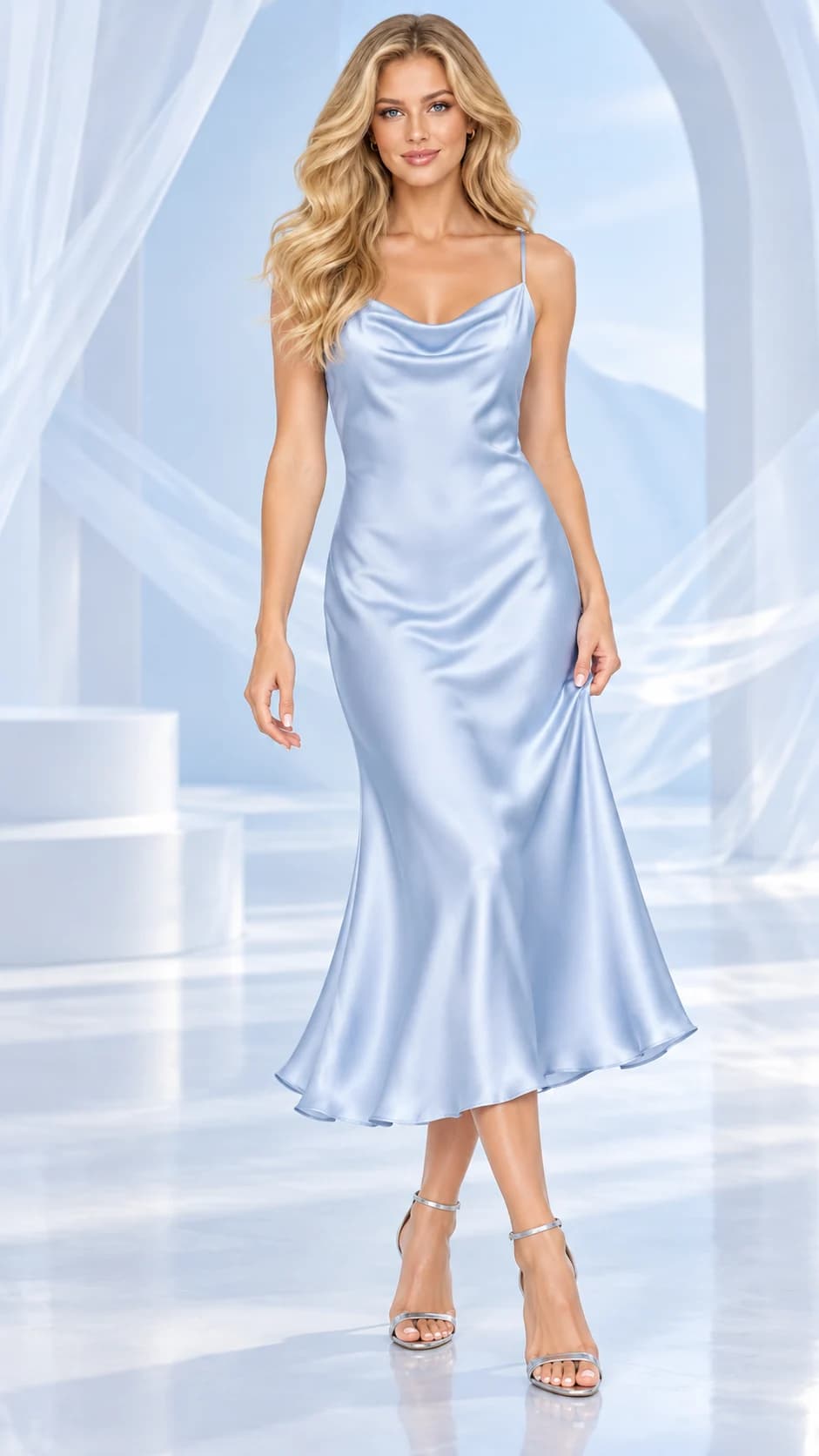
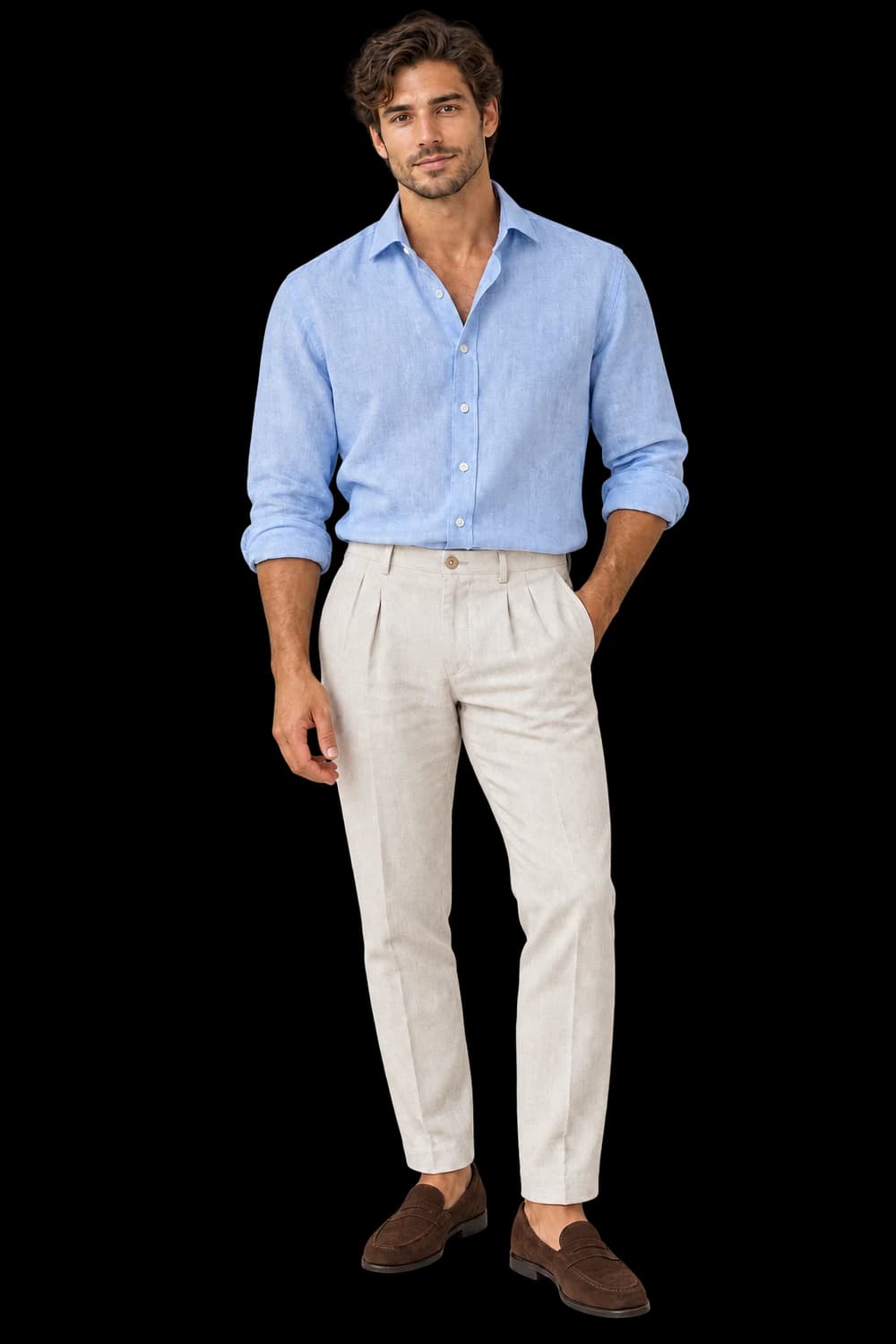
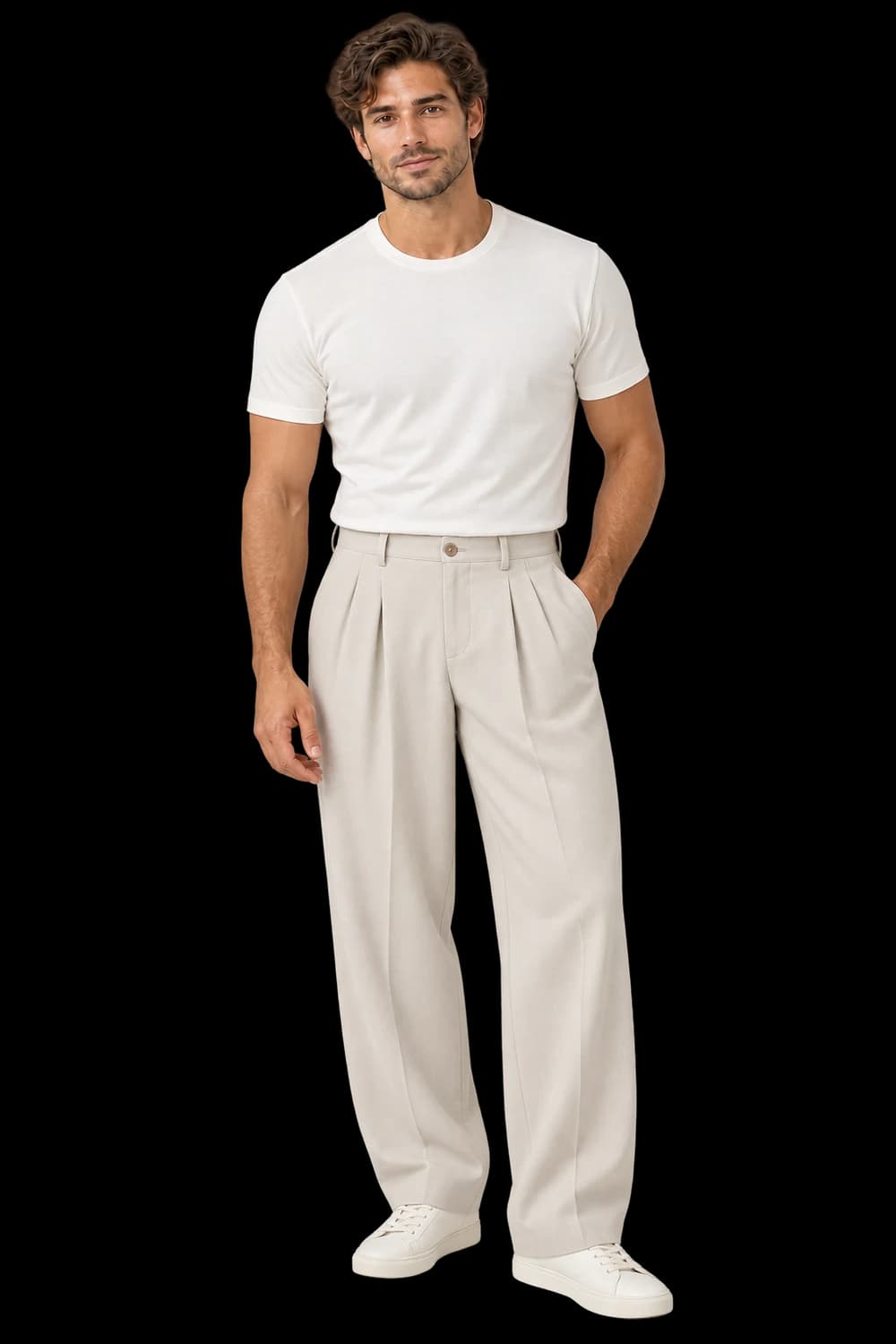
Make the outer layer the main event.
Keep texture, closures and pockets readable while giving a jacket the setting your collection needs.
Add your own product. Edit the starting direction. Review the quote before requesting one sample.
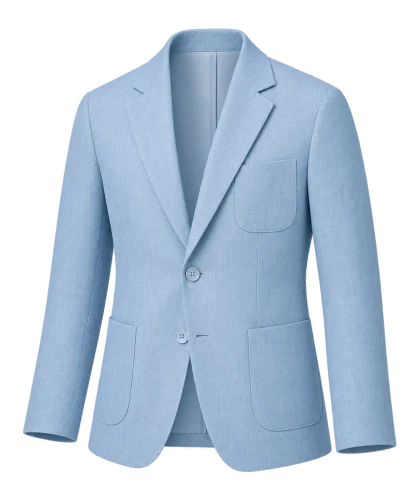
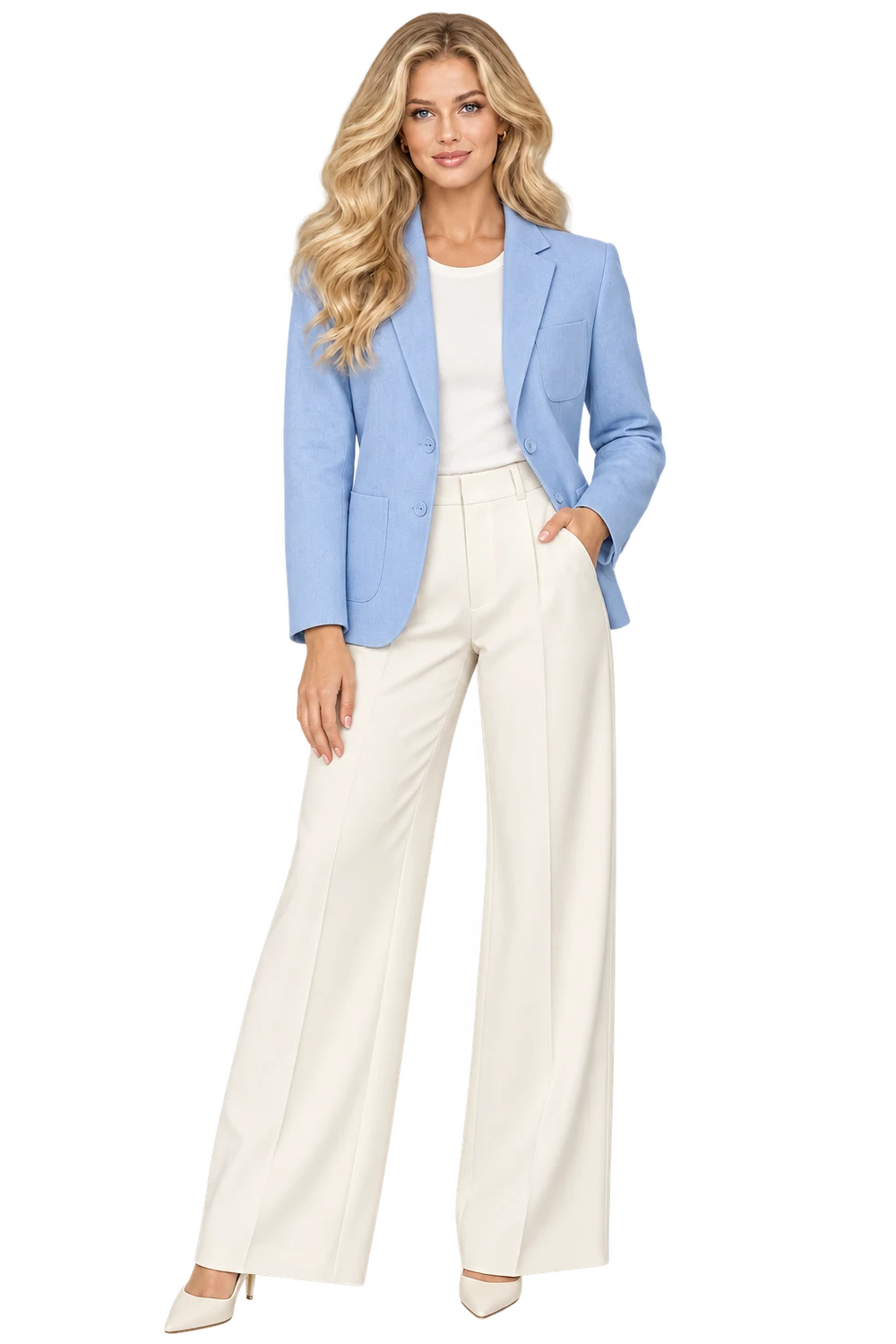
What to keep in the frame.
Use your original as the standard. These details deserve a separate pass before you approve the image.
- 01Closure, collar and pocket construction
- 02Sleeve shape and shoulder line
- 03Texture, lining edges and hem
The better starting point.
Use a source with the closure and both sleeves visible. Check that background objects do not merge with the jacket outline.
Have a public shop? Import your product ↗Photograph the supplied jacket on an adult model in a softly lit glasshouse. Keep the entire jacket, both sleeves and hem readable. Preserve collar, closure, pocket count, buttons, shoulder shape and original material texture. Avoid bags, scarves or hands obscuring the front; generous full-frame composition.Open this direction ↗
A jacket often has several features competing for attention: collar, lapels, zipper or buttons, pockets, cuffs and material texture. Write down the few that make your item recognizable before you choose the setting. A generated jacket in the right color can still have the wrong closure, pocket count or hem.
Approve one image for a clear purpose. A textured editorial scene may belong in a campaign, while the original flat product view remains the better place to establish hardware and construction. For a collection, retain accepted results and adjust only the items whose details need another attempt.